11

Rise of the US in early 20th Century

How did America change because of World War I? Download Primary Source Set: Rise of the US

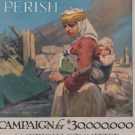
This inquiry set focuses on how the US government prepared for war. Speeches by American political leaders, documents that show ordinary Americans readying for war, and images that feature California as a central place in wartime mobilization frame students’ exploration into American involvement in World War I.

US in WWI

How did America change because of World War I? Download Primary Source Set: US in WWI 

Just as World War I stands as an important marker of the new role for the U.S. on the world stage, the war also is an important event that started a century-long growth of the federal government. Once the United States entered the war, the government grew through the administration of the draft, the organization of the war at home, and the promotion of civilian support for the war.

Immigration

Who came to the United States at the end of the nineteenth and beginning of the twentieth centuries? Why did they come? What was their experience when they arrived? How did immigration add to the religious pluralism of the United States? Download Primary Source Set: Immigration to the US

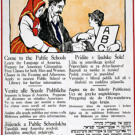
This inquiry set highlights the experiences of the so-called “new immigrants” of the late nineteenth century.

Reconstruction

How did the country change because of the Civil War and Reconstruction in the nineteenth century? Download Primary Source Set: Reconstruction's Impact on the Country 

This inquiry set illustrates many developments that will set the stage for modern United States history.

Reconstruction

What were the challenges to African American citizenship after the Civil War? Download Primary Source Set: Reconstruction

This 8th grade lesson is about citizenship from the perspective of African Americans after the Civil War. The purpose of this lesson is for students to consider the challenges that African Americans faced in achieving full citizenship rights, and actions they took to address this inequality.

Ordinary People Great Depression

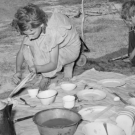
The Great Depression affected American society and culture in profound ways. Students should consider How did ordinary people respond to the Great Depression? The effects of the Depression were worsened by the Dust Bowl, a result of natural drought combined with unwise agricultural practices that led to the dislocation of farmers who could no longer make a living from agriculture in the Great Plains.

The 1920s

Why were the 1920s filled with political, social, and economic extremes? Download Primary Source Set:  The 1920s

This inquiry set provides resources that frame the 1920s as a decade of diverse social and cultural developments, political anti-radicalism, and intense nativism.

Rise of the US

World War I began in 1914, and while the US began to supply the Allies with weapons and goods that year, American soldiers did not join the conflict until three years later. Although American entry into the Great War came later than the Allied Powers hoped for, when Wilson asked Congress for a declaration of war in April 1917, he did so in an effort to continue promoting America’s vision for the world. When American troops arrived in Europe in the fall of 1917, their participation helped bring an end to the war and establish the United States as a global power.

Immigration

The people who fueled industrialization in the nation’s expanding urban centers migrated domestically from more rural areas and came from nations all over the world. Students may consider these questions to organize their study of immigration: Who came to the United States at the end of the nineteenth and beginning of the twentieth century? Why did they come? What was their experience like when they arrived?

Women's Suffrage

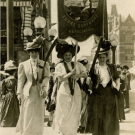
Because progressivism called for an expanded government to protect individuals, it is only natural that expanding voting rights were deemed equally important. In California, women received the right to vote in 199; on the national level, it took several more years. Students read about leading suffragists and their organizations, especially the National American Woman Suffrage Association (NAWSA) and the National Women’s Party (NWP).